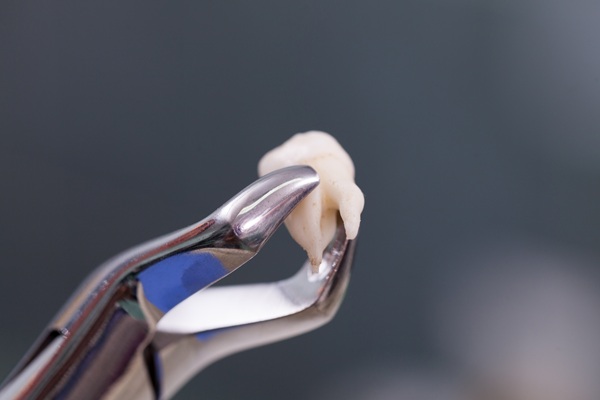
Emergency Tooth Extraction for a Severely Damaged Tooth
If a serious infection has caused tooth damage, an may be necessary. Read on to learn more about why an emergency tooth extraction may be needed and how general dentistry approaches the process. Regardless of what caused the need for an emergency tooth extraction, like decay, trauma, or an abscess, having the troublesome tooth removed may be your only treatment option. Different extraction methods exist, and several circumstances determine the approach the dentist chooses.
Emergency tooth extraction of a damaged tooth
Generally, the dentist will try their best to save a damaged tooth first. However, when the damage is too significant and there is a risk of infection or threat to the person's health, the dentist might recommend an emergency tooth extraction. The technique for removing a damaged tooth varies depending on the state of the tooth, the patient's general health, and the tooth's placement in the mouth. The extraction can be simple or surgical.
Simple dental extractions
When a tooth is visible above the gum line, a simple extraction should be enough to remove the tooth. A simple extraction is possible when the tooth is in a position where it can be extracted in one piece without drilling the tooth or bone or cutting away any gums or soft tissue.
Surgical dental extractions
Surgical extractions are more complicated. It may require cutting through the gum tissue, drilling, or splitting the tooth into numerous pieces. If a tooth has a significant abscess, the dentist may need to expose the abscess and drain it before extracting the tooth.
If the tooth has fully emerged in the mouth and the dentist can see the complete crown of the tooth, a straightforward extraction may be enough. A surgical extraction is required if the tooth is situated at an angle to nearby teeth, has a section of the crown remaining beneath the gums, or is still under the gums down in the bone.
A tooth is said to be impacted if the whole tooth is still hidden under the gums. Such teeth are prone to infections, so an emergency tooth extraction may also be necessary.
The tooth extraction process
Before beginning any treatment, the dentist will take an x-ray of the affected tooth and the surrounding region to assess the degree of damage. A dental x-ray may also be necessary for an extraction to evaluate the best method of removing the tooth. Most extractions are straightforward. However, severe decay, a long tooth root, bone density, and severe tooth damage might make extraction more difficult.
The dentist will provide a local anesthetic to the affected region after determining the best approach to treatment. The anesthetic will ensure the patient's well-being and comfort during the treatment. The dentist will use an elevator to enlarge the tooth socket as soon as the region is sufficiently numb. The dentist will push the elevator between the tooth and surrounding bone to facilitate extraction.
The dental professional will then use forceps to rock the tooth back and forth until it is loose enough for extraction. Patients may feel pressure during tooth extractions because of the push and pull throughout the procedure. However, the operation should not be painful. The patient should notify the dentist immediately if they feel acute discomfort.
Only a trained dental professional can deliver intravenous sedation or general anesthesia when dealing with the most difficult extractions. It is critical to keep the patient calm and at ease during these more difficult extractions. For example, the dentist may be unable to use the elevator or forceps because there is not enough dental structure. Therefore, they may need to use a drill to remove the tooth and portions of the surrounding bone from the patient's mouth. Sometimes, the dentist may need to cut the tooth into pieces to remove the tooth.
In rare cases, particularly in an emergency, the patient's general health may play a role in the choice to remove a tooth. Certain heart-related conditions may need antibiotic treatment before the procedure. Before major procedures, some patients may need to cease taking blood thinners for a few days. Since diabetes impairs the body's capacity to heal, dentists must take additional steps to ensure proper healing. Patients with blood clotting issues must be treated carefully to prevent postoperative complications.
The bottom line
When determining the approach to emergency tooth extraction, your dentist will evaluate your general health, the position and location of the tooth, and the cause for the tooth's removal. Another factor to consider is whether or not the tooth is a wisdom tooth. In an emergency, they might be very difficult to remove.
Request an appointment here: https://www.dazzlemysmile.com or call Dazzling Smile Dental Group at (718) 717-8741 for an appointment in our Bayside office.
Check out what others are saying about our services on Yelp: .
Related Posts
Dental emergencies can happen unexpectedly and lead to severe discomfort. When faced with sudden oral pain, injury, or infection, you should seek immediate care from an emergency dentist. The following framework outlines the typical processes and considerations you can expect from emergency dental care.An emergency dentist specializes in providing immediate dental care for unexpected issues…
Dental problems can happen at any time and often require immediate help to relieve pain and avoid potential complications. If you have urgent dental concerns, you might look for an emergency dentist or a same day dentist. Knowing the difference between these dental professionals can help you choose the best option for your needs.An emergency…
A chipped or cracked tooth is not always an immediate oral health problem. However, there are benefits to repairing these teeth with cosmetic dental services sooner rather than later. For one, these services can restore the patient’s smile to its original appearance. Repairing the tooth can also prevent the chip or crack from progressing into…
Typing dentist near me in your search box can give you a great start. Getting comprehensive oral care from the right dental care professional is the goal. A provider near you will give you easier access to necessary dental treatments. Entering dentist near me in your online search can give you an advantage in your…