Can Gum Disease Treatment Restore My Oral Health?
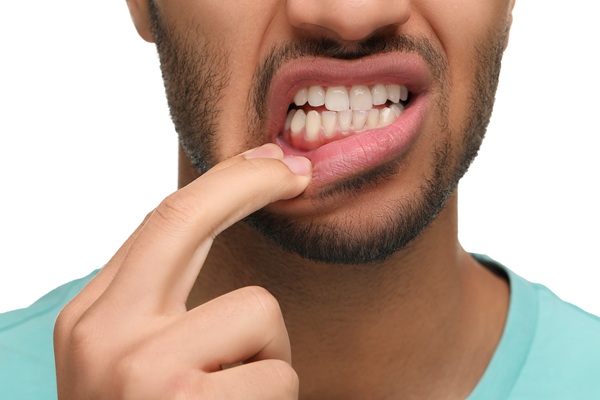
Gum disease treatment plays a powerful role in restoring oral health and protecting the foundation of the teeth. When plaque and tartar accumulate along the gumline, the supporting tissues begin to weaken, leading to bleeding, swelling, and eventually bone loss. Left unaddressed, gum disease increases the risk of tooth loss and can affect overall health. With consistent care from a general dentist and strong home care, gum disease treatment can help reverse early damage and control more advanced disease.
Understanding how gum disease affects oral health
Gum disease begins with gingivitis, which describes inflammation limited to the soft tissues around the teeth. Gums may look red, swollen, and bleed during brushing or flossing. Fortunately, at this stage, the bone remains intact, and professional cleaning combined with improved home care often restores gum health. Early attention prevents progression and protects the underlying structures that keep teeth stable.
When inflammation extends deeper, periodontitis develops. In this phase, bacteria and toxins begin to affect the bone and ligaments that anchor teeth in place. Pockets form between the teeth and gums, trapping more plaque and making home cleaning more difficult. Without timely gum disease treatment, these pockets deepen, bone levels drop, and teeth may loosen or shift.
What gum disease treatment involves
Gum disease treatment always begins with a thorough evaluation. The dentist or dental hygienist measures pocket depths, reviews X-rays, and checks for bleeding, recession, and mobility. These findings guide a personalized plan that matches the severity of the condition. For many patients, the first line of care involves scaling and root planing, often called a deep cleaning.
During scaling and root planing, the dental team removes plaque and tartar from above and below the gumline and smooths the root surfaces. This smoothing helps gums reattach more closely to the teeth and reduces areas where bacteria can hide. In some cases, local antibiotics or antimicrobial rinses can support healing by reducing bacterial levels in the pockets. With the dentist tailoring gum disease treatment to each patient, the goal is to reduce inflammation, shrink pocket depths, and stabilize the supporting bone.
Can the gums and bone recover after treatment?
The ability of gums and bone to recover depends on how far the disease has progressed. In the early stages, gum tissue often heals once the dentist removes irritants. For example, bleeding decreases, puffiness subsides, and color returns to a healthier pink. Many patients also notice that brushing and flossing feel more comfortable and that their breath stays fresher throughout the day.
In moderate to advanced periodontitis, lost bone does not fully grow back on its own. However, gum disease treatment can halt further destruction and, in some cases, encourage limited bone regeneration. The dentist may recommend additional procedures such as localized bone grafts or guided tissue regeneration when appropriate. Even when full structural regrowth is not possible, controlling the disease preserves remaining bone, keeps teeth functional longer, and supports future restorative options if needed.
The role of home care after gum disease treatment
Professional care succeeds only when supported by daily habits at home. Effective brushing twice a day with a soft or medium-bristle toothbrush and fluoride toothpaste helps disrupt plaque before it hardens into tartar. Flossing or using interdental cleaners reaches spaces between teeth and just under the gumline where brushes cannot reach. In many cases, the dentist also recommends an antimicrobial mouth rinse to further reduce bacterial levels.
Tools such as water flossers and interdental brushes can make cleaning deep or narrow spaces easier, especially in areas with previous bone loss. Patients who commit to these routines achieve lasting gum disease treatment, rather than a temporary improvement. Further, tobacco avoidance, balanced nutrition, and good control of systemic conditions such as diabetes also support healthier gums. All in all, the more consistent the habits, the more stable the results.
Long-term maintenance and regular checkups
After active gum disease treatment, maintenance becomes the key to keeping the condition under control. Many patients benefit from periodontal maintenance visits every three to four months instead of standard six-month cleanings. These appointments allow the dental team to remove new tartar, monitor pocket depths, and identify early changes before they become serious. Regular feedback also reinforces home care techniques and keeps patients informed about their progress.
Additionally, lowering the bacterial load and controlling inflammation decreases the risk of future bone loss. Restorations such as crowns, bridges, and dental implants also last longer in a healthy periodontal environment. With this partnership between the patient and the dental team, gum disease treatment continues long after the initial procedures, serving as an ongoing strategy for stability.
Schedule an appointment
Gum disease treatment can significantly restore oral health by reducing inflammation, deepening pockets, and protecting remaining bone and teeth. In early stages, gums often return to a healthy state, while more advanced cases benefit from halted progression and carefully managed stability. If you are showing signs of gum disease, contact Dazzling Smile Dental Group to schedule an appointment.
Request an appointment here: https://www.dazzlemysmile.com or call Dazzling Smile Dental Group at (718) 717-8741 for an appointment in our Bayside office.
Check out what others are saying about our dental services on Yelp: Gum Disease in Bayside, NY.
Related Posts
Typing dentist near me in your search box can give you a great start. Getting comprehensive oral care from the right dental care professional is the goal. A provider near you will give you easier access to necessary dental treatments. Entering dentist near me in your online search can give you an advantage in your…
Cosmetic dental services can enhance the appearance of teeth that are uneven, worn down, or slightly misaligned. These treatments focus on improving aesthetics while preserving or improving oral function.Tooth reshaping, also called dental contouring, is a non-invasive procedure used to subtly change the size, shape, or surface of a tooth. By gently removing small amounts…
Cosmetic dental services help patients improve the look of their teeth and smile. Two common cosmetic dental services are dental bonding and dental veneers. Both services can address issues such as discoloration, chips, or gaps in teeth. However, there are differences based on the materials used, durability, and overall cost. It is important to understand…
While clear braces can straighten teeth with brackets that blend more naturally with the smile, proper care helps keep them clean, comfortable, and effective. While these braces work much like traditional metal braces, their tooth-colored or ceramic brackets can show stains more easily when patients do not follow a strong oral hygiene routine. With daily…